NO MICROPLASTICS.
NO WASTE.
JUST PURE COFFEE.


The Problem With Traditional Coffee Pods
THE POLLUTION
50 billion coffee pods get added to landfills every year.
Each takes 500+ years to degrade.
Only 30% get recycled.


MICROPLASTICS
They release harmful microplastics into the coffee, which can cause serious health issues.


LACK OF ALTERNATIVES
Compostable options compromise on convenience, freshness or taste.
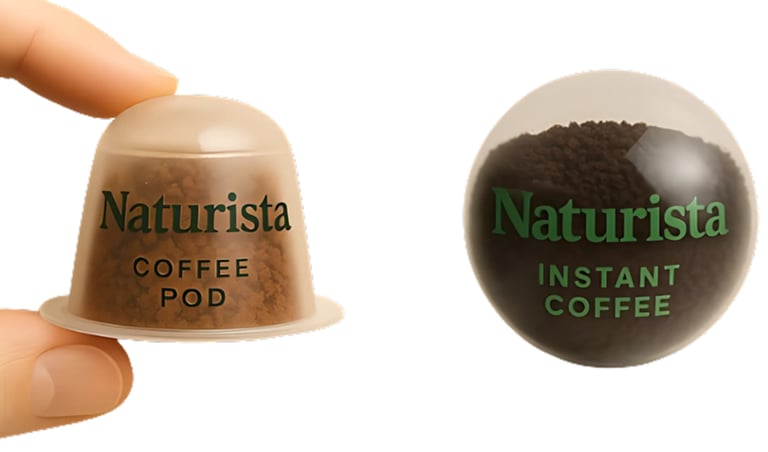
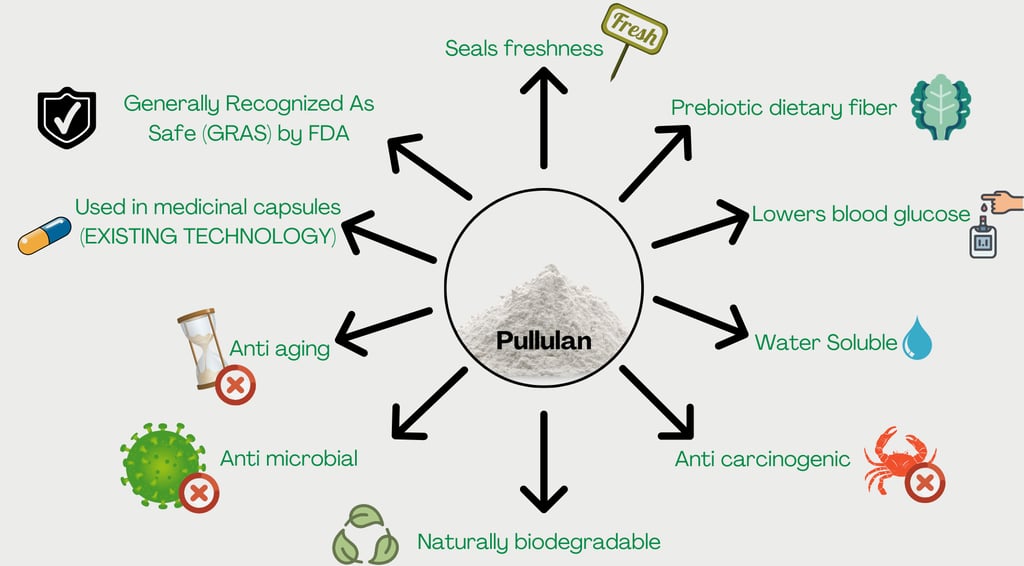
Naturista supports health and planet goals by using FDA-approved, biodegradable material called pullulan.
Completely dissolves in hot water
Biodegrades within weeks
Zero microplastics, zero waste
How Are We Different?
Naturista offers two versions:
The coffee machine pod that stays intact during brewing, then fully breaks down within days in your trash or even your yard.
And, the instant pod. No more cutting plastic packets with a big coffee mess on your counter. Just drop it in hot water and watch it dissolve within seconds without any need for a machine.
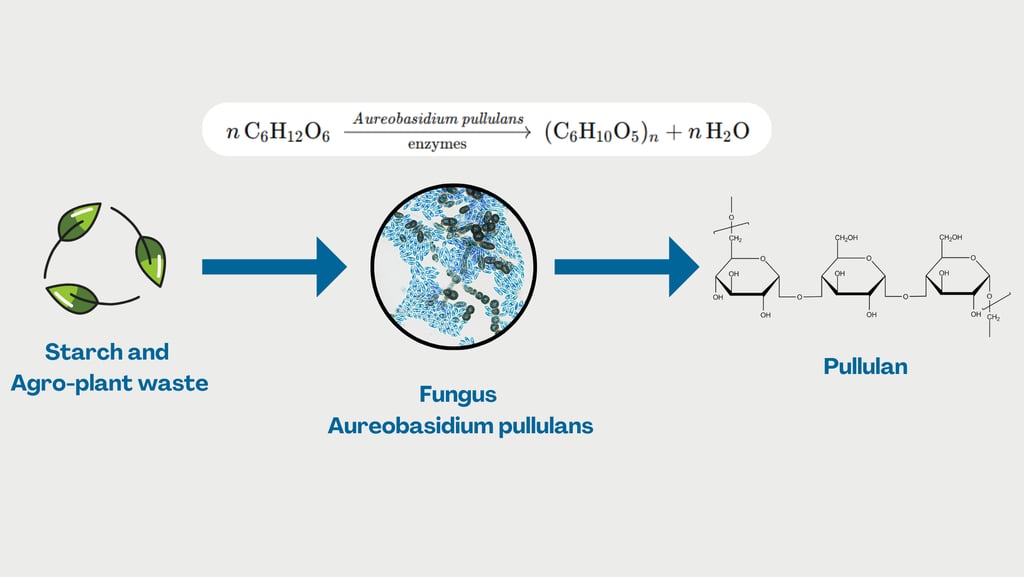
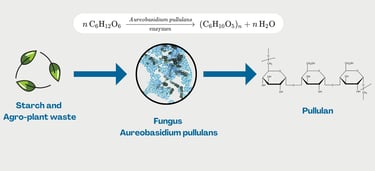
PULLULAN is a natural water-soluble polysaccharide biopolymer made from starch and agricultural plant waste
What is Pullulan?
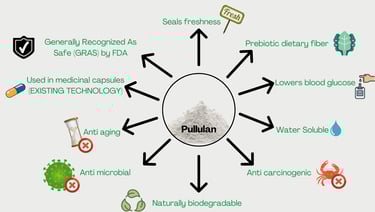
PULLULAN is tasteless, water-soluble, and FDA-approved. It has a number of advantages including health benefits.
Our Promise
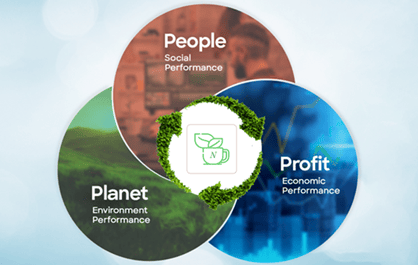
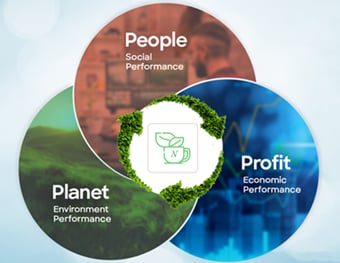
We believe in the triple bottom line principle of Planet, People and Profit and strive to meet UN Sustainable Development Goals.
Save the planet, and health, one coffee pod at a time!
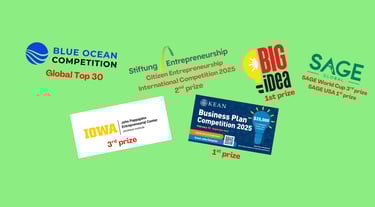
Our Award Winning Patent Pending Product
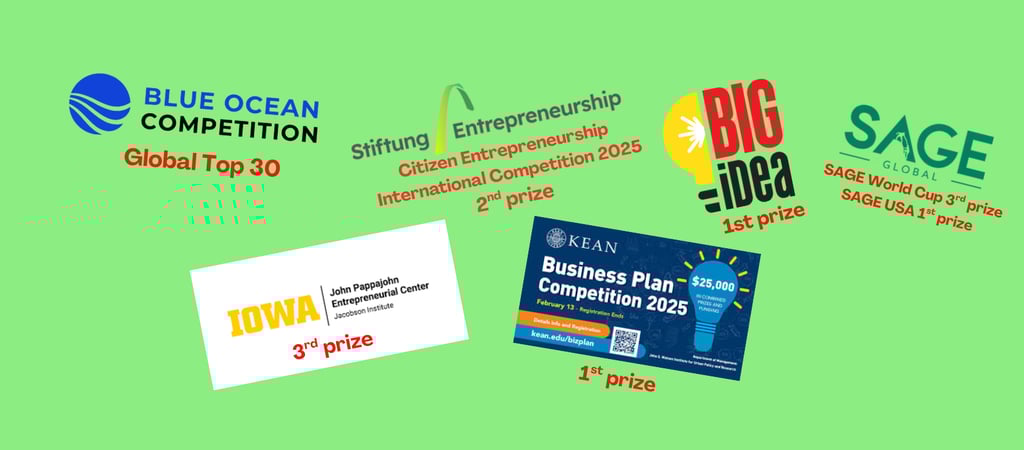
Naturista has won several competitions, raised funding, and is a patent pending product.
The Research
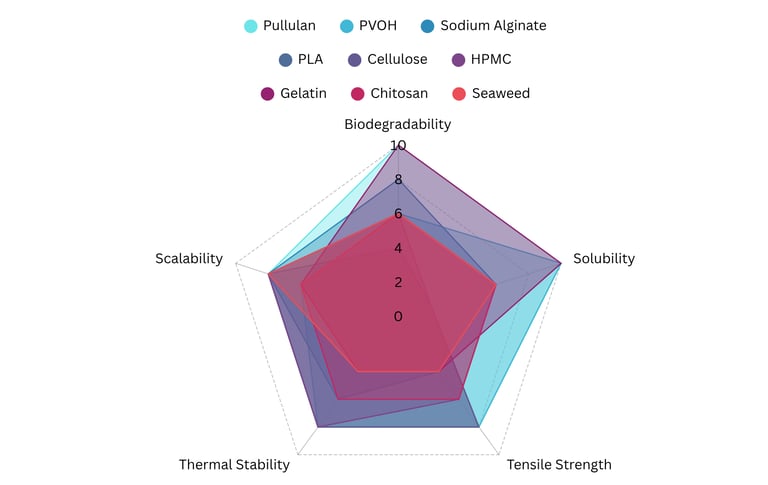
Naturista is a result of an independent research project undertaken by the founders that involved a comparative analysis of nine biopolymers, assessing properties such as biodegradability, solubility, tensile strength, thermal stability, toxicity (via FDA approval status), and scalability. The research relied heavily on peer-reviewed literature, and published industrial data to construct a rigorous evaluation methodology. Where possible, small-scale experimental simulations, such as exposing molded biopolymer films to espresso-level temperatures to observe structural and dissolution behavior were performed. The resulting research paper is currently being peer reviewed for a leading STEM journal. Access the research abstract and quad chart here.
The Naturista Story
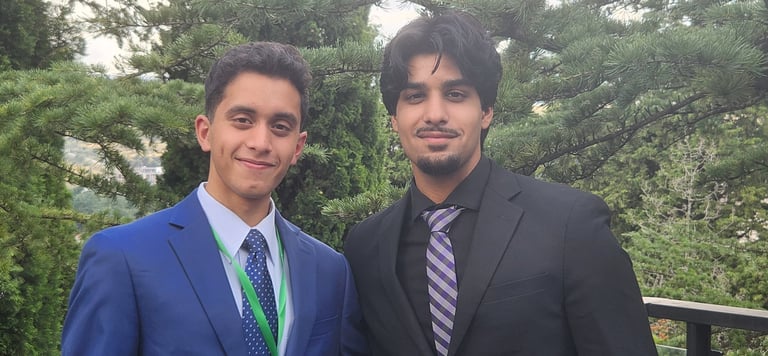
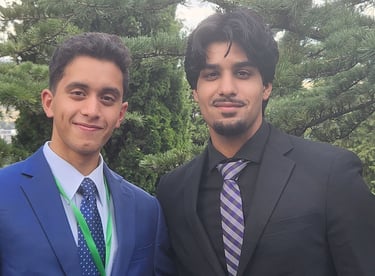
Aditya Herekar (left) and Karan Verma (right), who are high school innovators and daily coffee drinkers, are founders of Naturista.
Naturista began with something very ordinary: our daily cup of coffee. Both of us grew up in households where single-serve coffee pods were part of our morning routine. We brewed them without a second thought, assuming they were convenient and “modern.” It wasn’t until we started researching waste streams for a school project that we discovered how deeply these pods affect human health and the environment.
Learning that hot water running through plastic pods can release microplastics and that those particles may accumulate in our bodies over time shifted the issue from abstract to personal. We realized that every cup we drank could expose us to contaminants linked to inflammation, oxidative stress, and endocrine disruption. As coffee lovers, the idea that something as comforting as a morning brew could quietly harm long-term health was unsettling. That was the moment the problem stopped being theoretical and became urgent.
But the environmental impact struck us just as deeply. We were shocked to learn that most pods never get recycled, even with mail-back programs, and that billions pile up in landfills each year. Worse, many so-called “compostable” pods still require industrial facilities most people don’t have access to. The more we learned, the more we felt that both individuals and the planet were paying the price for a convenience industry had no incentive to fix.
This challenge became important to us because it empowered us to stop being passive consumers and start being problem-solvers. Instead of complaining about pollution or feeling overwhelmed by the scale of microplastic contamination, we chose to design a solution that begins right where the problem starts: the materials we put into people’s hands every morning.
Working on this project made us realize that innovation doesn’t always require advanced laboratories or huge budgets. Much of our experimentation happened with materials we ordered from Amazon and equipment we had at home. That experience taught us that real change often comes from curiosity, persistence, and the willingness to question everyday habits.
Most of all, this challenge matters to us because it ties directly to our well-being, our families’, and millions of people’s around the world. Coffee is one of the most widely consumed beverages globally. Small improvements here ripple outward quickly. If we can help create a future where enjoying a cup doesn’t mean harming your body or the planet, then this work feels not just worthwhile, but necessary.
This issue is personal because it started in our own kitchens. It became important because we realized the problem was bigger than us and affected millions of coffee lovers like us. And it motivates us because we now know we can be part of the solution.
Contact
Reach out for questions or partnerships
© 2025. All rights reserved.